

30-Second Summary
- Beauty establishments face risks from theft, inventory loss, and vandalism due to valuable equipment, beauty products, and frequent customer traffic. A hidden camera, when used legally and ethically, can strengthen security by monitoring high-risk areas, deterring theft, documenting incidents, and supporting insurance claims.
- However, surveillance should never violate privacy or be installed in private spaces.
- The most effective security strategy combines responsible camera use with employee training, inventory management, access control, alarm systems, and clear workplace policies to protect assets, employees, and customers while maintaining trust and professionalism.
Beauty establishments such as salons, spas, nail studios, barbershops, and cosmetic clinics invest heavily in equipment, premium beauty products, furniture, and technology to provide exceptional customer experiences. From expensive styling tools and skincare products to advanced cosmetic devices, these businesses often store valuable assets that can become targets for theft or intentional damage. Alongside financial losses, vandalism can disrupt daily operations, damage a business’s reputation, and reduce customer confidence.
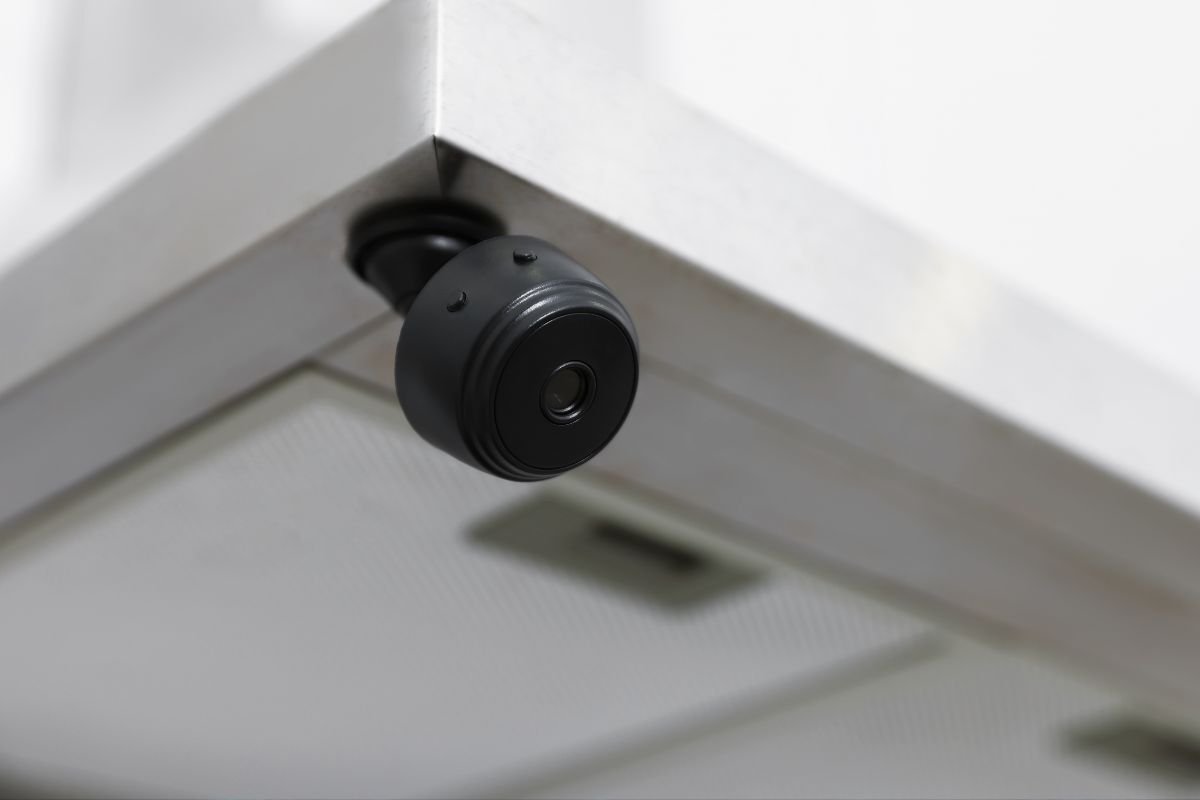
To address these challenges, many beauty business owners are strengthening their security strategies with modern surveillance systems. A hidden camera can complement visible security measures by discreetly monitoring vulnerable areas where theft or vandalism may occur. When used responsibly and in compliance with local privacy laws, covert surveillance can help identify suspicious activities, protect business assets, and provide valuable evidence during investigations. However, security should always be balanced with respect for employee and customer privacy.
This article explores how hidden surveillance systems help prevent theft and vandalism, best practices for ethical implementation, legal considerations, and ways to integrate them into a comprehensive security plan for beauty establishments.
Why Beauty Establishments Are Vulnerable
Beauty establishments handle a combination of cash transactions, retail inventory, expensive equipment, and frequent customer traffic. These factors create opportunities for both internal and external theft. Professional hairdryers, straighteners, clippers, lasers, skincare machines, and premium beauty products can represent thousands of dollars in inventory. Small items such as cosmetics, fragrances, and hair products are particularly easy to conceal and remove unnoticed. Additionally, reception areas often contain cash registers and appointment systems that may attract dishonest individuals. Employee theft can also occur in some businesses. Unauthorized discounts, missing products, cash discrepancies, or misuse of business resources may remain undetected without appropriate monitoring systems. While most employees are trustworthy professionals, implementing proper security measures protects both business owners and honest staff members.
Vandalism presents another challenge. Disgruntled customers, former employees, or opportunistic individuals may intentionally damage furniture, mirrors, display shelves, or equipment. Even minor incidents can result in expensive repairs and business interruptions.
Understanding Hidden Surveillance
Hidden surveillance refers to cameras that are discreetly installed or blended into existing surroundings. Unlike traditional visible cameras, these devices are designed to be less noticeable while still capturing important footage. Businesses may use hidden monitoring in limited situations where visible cameras cannot effectively observe specific areas vulnerable to theft or tampering. Their purpose is not to invade privacy but to strengthen security in appropriate locations such as inventory storage rooms, supply cabinets, retail display sections, or cash handling areas where legally permitted.
It’s important to remember that hidden surveillance should never be installed in places where individuals have a reasonable expectation of privacy, including restrooms, changing rooms, locker rooms, treatment rooms during private procedures, or employee break areas where prohibited by law.
Deterring Internal Theft
Internal theft often develops gradually rather than through a single incident. Small inventory shortages, missing supplies, or unexplained cash discrepancies may continue for months before becoming noticeable. Discreet surveillance can help identify patterns that traditional inventory audits might miss. For example, repeated unauthorized removal of retail products or misuse of company supplies can be documented through recorded footage. The presence of a comprehensive security system also encourages accountability. Employees who know that workplace activities are appropriately monitored are generally more likely to follow established policies regarding inventory management, cash handling, and customer service procedures. Business owners should combine surveillance with clear workplace policies, employee training, inventory controls, and transparent communication to create an environment built on trust and responsibility rather than suspicion.
Preventing Customer Theft
Retail shelves displaying shampoos, conditioners, skincare products, cosmetics, and beauty accessories may attract shoplifters, particularly during busy hours when staff members are assisting multiple clients. Strategically placed surveillance helps monitor high-risk retail areas while allowing employees to focus on customer service. Recorded footage can assist in identifying individuals involved in theft and may provide useful evidence if law enforcement becomes involved.
In many cases, surveillance contributes to prevention simply because businesses maintain comprehensive security systems. Customers who recognize that security measures are in place are generally less likely to attempt theft. Combining surveillance with attentive staff, organized store layouts, secure product displays, and effective inventory tracking creates a stronger defense against retail losses.
Reducing Acts of Vandalism
Vandalism can occur during business hours or after closing time. Broken mirrors, damaged styling stations, graffiti, destroyed decorations, and intentional property damage can require significant repair expenses. Surveillance systems provide continuous monitoring of entrances, exits, parking areas, waiting rooms, and exterior spaces. When incidents occur, recorded footage may assist investigators in identifying responsible individuals and understanding exactly what happened. Businesses that experience repeated vandalism may benefit from improving lighting, reinforcing entry points, installing alarm systems, and increasing surveillance coverage in vulnerable areas. The combination of physical security and recorded evidence often discourages repeat offenders.
Protecting Expensive Equipment
Modern beauty establishments frequently rely on sophisticated equipment including laser machines, facial treatment devices, cosmetic technology, massage equipment, sterilization units, and computerized appointment systems. These assets represent substantial investments that are costly to replace. Unauthorized use, deliberate damage, or theft can interrupt services and affect customer satisfaction. Monitoring equipment storage areas helps verify proper handling procedures while providing documentation if damage occurs. Video evidence can clarify whether equipment failures resulted from accidental misuse, intentional damage, or other causes. Protecting valuable equipment ultimately supports business continuity and reduces unexpected financial losses.
Legal and Ethical Considerations
Before installing surveillance equipment, beauty establishment owners must understand applicable privacy laws within their country, state, or region.
Many jurisdictions regulate where surveillance cameras may be installed, how recordings are stored, and whether individuals should receive notice about monitoring. Hidden surveillance is generally prohibited in locations where people expect privacy. Treatment rooms involving changing clothes or personal procedures require particular attention to legal requirements. Business owners should consult legal professionals or local regulatory authorities before implementing covert monitoring systems. Ethical surveillance involves using cameras solely for legitimate security purposes while respecting employee dignity and customer privacy.
Best Locations for Security Cameras
Effective camera placement is just as important as camera quality. Businesses often prioritize entrances and exits to monitor everyone entering or leaving the premises. Reception desks and cash registers are common monitoring locations because financial transactions occur there. Retail display shelves containing premium beauty products benefit from surveillance coverage, as do inventory storage rooms where valuable supplies are kept. Parking areas, exterior entrances, delivery points, and equipment storage locations may also require monitoring depending on business needs. Camera placement should maximize security coverage without violating privacy expectations.
Integrating Surveillance with Other Security Measures
Surveillance works best when combined with multiple layers of protection. Access control systems help restrict entry into inventory rooms or offices containing sensitive records. Inventory management software can quickly identify missing products and reveal unusual stock movements.
Alarm systems provide immediate alerts during unauthorized entry after business hours. Proper lighting around entrances and parking areas reduces opportunities for criminal activity. Employee training teaches staff how to recognize suspicious behavior, report incidents, and follow security procedures. Regular audits identify weaknesses before they become costly problems. Together, these measures create a comprehensive security strategy that is more effective than relying on surveillance alone.
Data Storage and Cybersecurity
Modern surveillance systems often store recordings digitally using local storage devices or secure cloud platforms. Business owners should protect recorded footage through encryption, strong passwords, user access controls, and regular software updates. Unauthorized access to surveillance recordings can create privacy risks and potential legal consequences. Retention periods should follow applicable regulations and business needs. Keeping recordings longer than necessary may increase storage costs and privacy concerns. Only authorized personnel should have permission to review or export surveillance footage.
Employee Communication and Transparency
Clear communication helps maintain trust within the workplace. Businesses should establish written security policies explaining the purpose of surveillance, acceptable workplace conduct, data protection procedures, and employee responsibilities. Providing training ensures employees understand that monitoring exists to protect everyone rather than create unnecessary pressure. Transparency encourages cooperation while reducing misunderstandings regarding workplace security practices. Open communication also demonstrates management’s commitment to ethical business operations.
Evaluating Security Effectiveness
Installing surveillance should not be viewed as a one-time project. Business owners should regularly evaluate whether existing security measures remain effective. Periodic reviews may include analyzing incident reports, assessing inventory losses, testing camera coverage, inspecting equipment functionality, and updating security procedures as business operations change.
New services, renovated layouts, or expanded retail sections may require adjustments to surveillance placement. Continuous improvement helps businesses adapt to evolving security challenges while maintaining efficient operations.
Future Trends in Beauty Business Security
Security technology continues to evolve rapidly. Artificial intelligence, motion detection, facial recognition where legally permitted, smart alerts, and cloud-based monitoring are becoming increasingly sophisticated. Modern systems can automatically notify owners about unusual activity, detect unauthorized access after hours, and integrate with mobile applications for remote monitoring. Despite technological advances, human judgment remains essential. Employees, managers, and security professionals play critical roles in interpreting information, responding appropriately, and maintaining ethical standards. The future of beauty establishment security will likely combine intelligent automation with responsible management practices to create safer workplaces and better customer experiences.
Conclusion
Theft and vandalism can significantly affect the financial health and reputation of beauty establishments. Protecting expensive equipment, retail inventory, employees, and customers requires a thoughtful security strategy that combines technology with effective management practices.
When implemented legally and ethically, discreet surveillance can help deter theft, document incidents, support investigations, and improve accountability. However, surveillance should always respect privacy rights and comply with applicable regulations.
Business owners should view security as an ongoing process involving employee education, inventory management, physical security improvements, cybersecurity, and regular policy reviews. By adopting a balanced and responsible approach, beauty establishments can reduce risks, protect valuable assets, and create a safer environment that benefits staff, customers, and the long-term success of the business.