
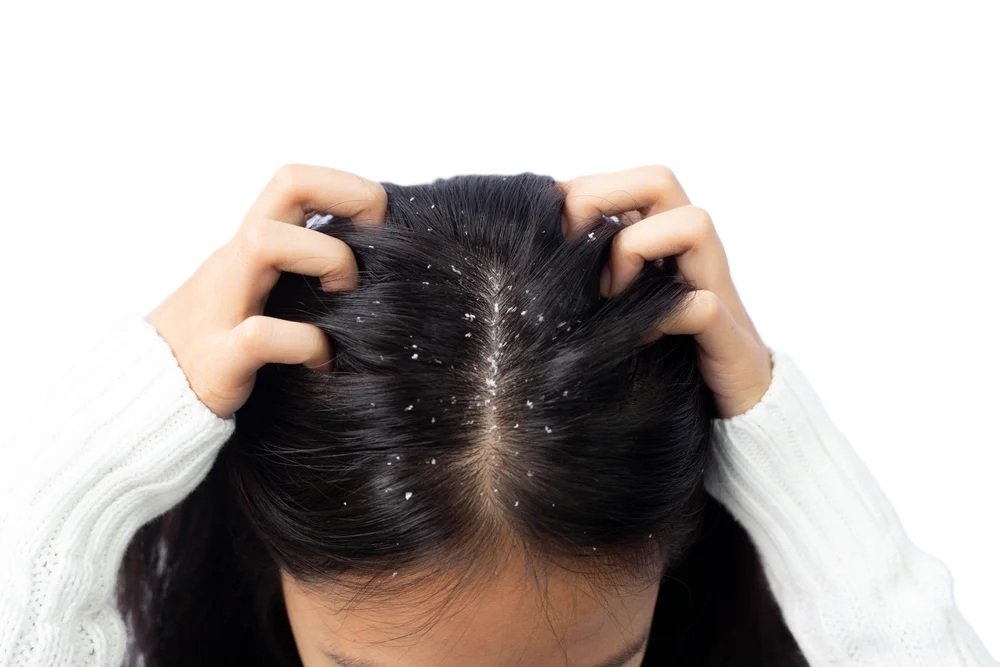
Dandruff is a widespread condition that affects many people. While it’s not a serious medical issue, it can be uncomfortable and embarrassing. Characterized by white or gray flakes that fall from the scalp, dandruff is often accompanied by itching and irritation. In fact, it’s estimated that at least 1 in 10 people experience it at some point.
Although dandruff appears on the surface, it usually stems from deeper scalp-related issues. Here’s a closer look at the most common causes.
Underlying Factors Behind Dandruff
Several factors contribute to dandruff, including:
- The natural microbe Malassezia: This fungus lives on the scalp and feeds on sebum, the natural oil produced by your scalp. In some people, it can trigger irritation and flaking.
- Excess oil production
- Sensitive scalp
- Age: Dandruff tends to affect teens and adults more.
- Gender: Men are more likely to experience dandruff, possibly due to hormonal factors.
- Certain health conditions: Such as eczema, psoriasis, or neurological disorders.
Top Causes of Dandruff
- Dry Scalp
Dry scalp is a leading cause of dandruff, especially in colder climates. It produces small, dry flakes and may also cause itching. These flakes are usually less oily compared to other types of dandruff.
- Oily Scalp
Ironically, an excessively oily scalp can also lead to dandruff. When oil builds up, it creates an ideal environment for Malassezia to thrive, resulting in flaking and irritation.
- Sensitivity to Hair Products
Some hair products can irritate your scalp, especially those containing harsh chemicals or with a high pH. For instance, alkaline shampoos may worsen dandruff. Instead, opt for shampoos with a neutral or slightly acidic pH. Greasy hair creams and styling products can also clog pores and contribute to dandruff.
- Heat and Sweat
Hot weather and sweating can trigger dandruff, especially when sweat mixes with the natural oils on your scalp. If your hair isn’t clean, this buildup can lead to more pronounced flaking and discomfort.
- Infrequent Hair Washing
When you don’t wash your hair regularly, oils, dead skin cells, and dirt accumulate. This buildup can lead to dandruff over time.
- Over washing Your Hair
While poor hygiene contributes to dandruff, so can excessive washing. Washing your hair too frequently strips the scalp of natural oils, leading to dryness and flaking.
- Not Combing Your Hair
Brushing or combing your hair helps remove dead skin cells from the scalp. If you neglect this step, these cells build up and may result in dandruff.
- Stress
Stress can negatively affect your immune system, making your scalp more susceptible to flare-ups caused by Malassezia. Managing stress can help keep dandruff under control.
- Poor Diet
Your scalp, like the rest of your body, needs essential nutrients to stay healthy. Diets lacking in zinc, B vitamins, and healthy fats can contribute to dandruff and poor scalp conditions.
Need Help with Dandruff?
If you’re looking for effective solutions, check out our curated collection of anti-dandruff shampoos and scalp care products right here.